What is Sublimation
Sublimation, in physics, is conversion of a substance from the solid to the gaseous state without its becoming liquid. The process of drying the products by first freezing them and them removing the ice under vacuum (sublimation of ice) is often called lyophilization, cryodesiccation or freeze drying
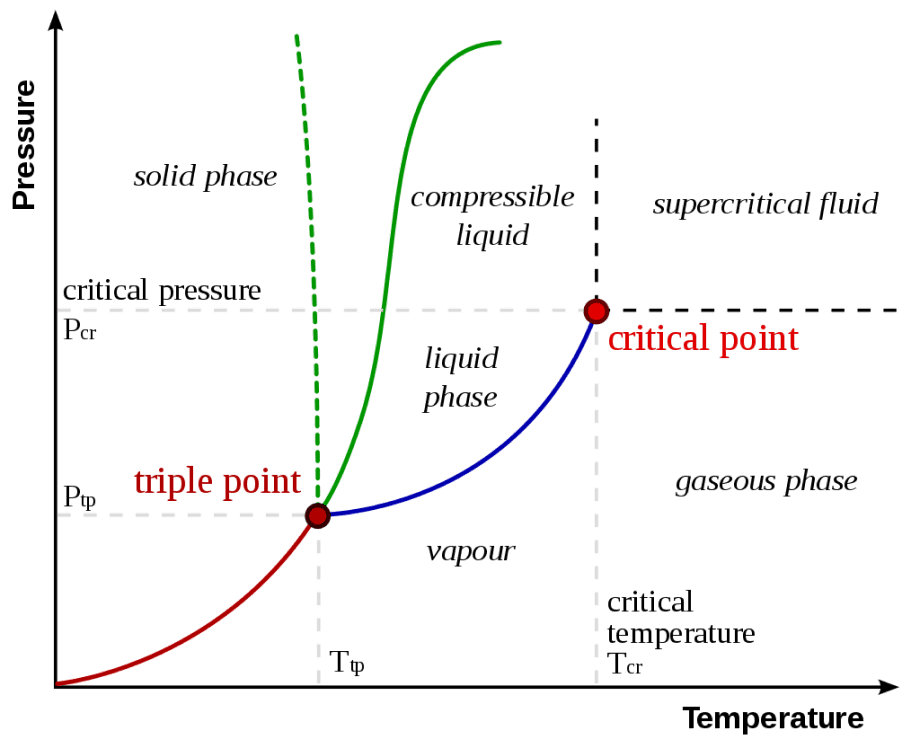
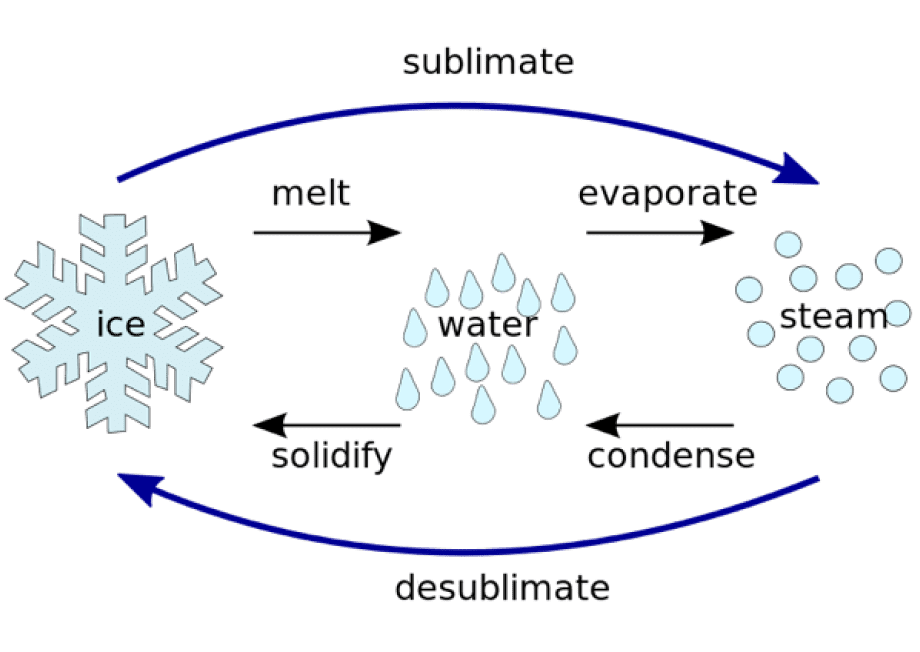
The phase diagram of water shows that the sublimation process occurs below (in pressure) and to the left (lower in temperature) of the so called “triple point” of water, where water is equally likely to be in the solid, gaseous, and liquid states.
The triple point of water has a temperature of +0.01̊С and a pressure 0.00603659 atm., i.e. sublimation occurs at lower than those temperatures and pressures, which are generated by our sublimation machines

However, we prefer to use the term “sublimation”, because we pay attention to the fact that our machines use only sublimation process to dry the product, while many conventional freeze dryers are also using heat to speed up the process (and worsen the product quality)
Sublimated and Fresh Products
weight of sublimated product as % of the original weight.
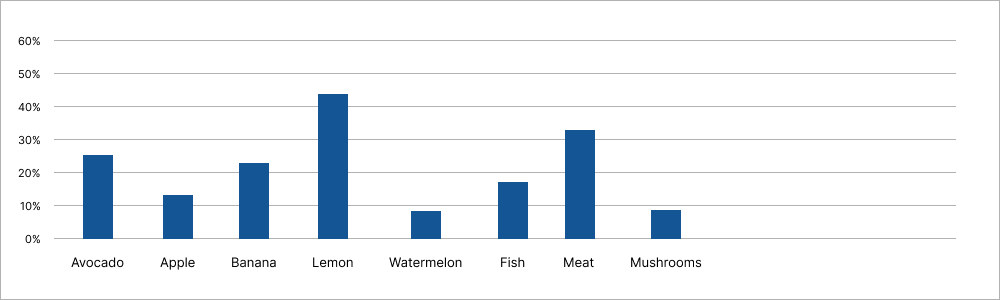
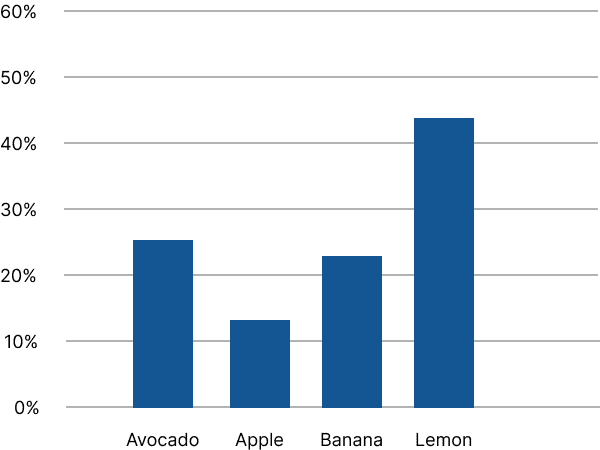
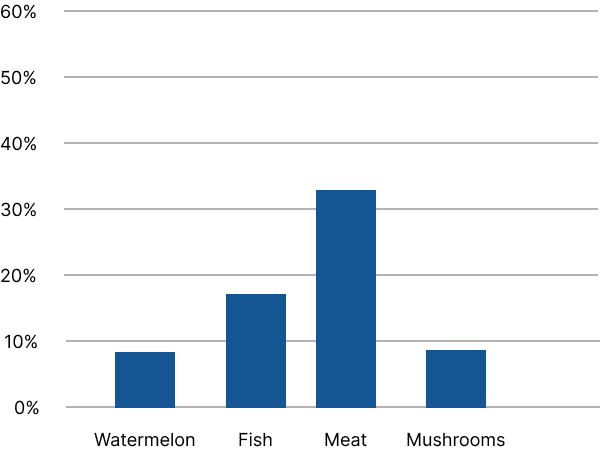
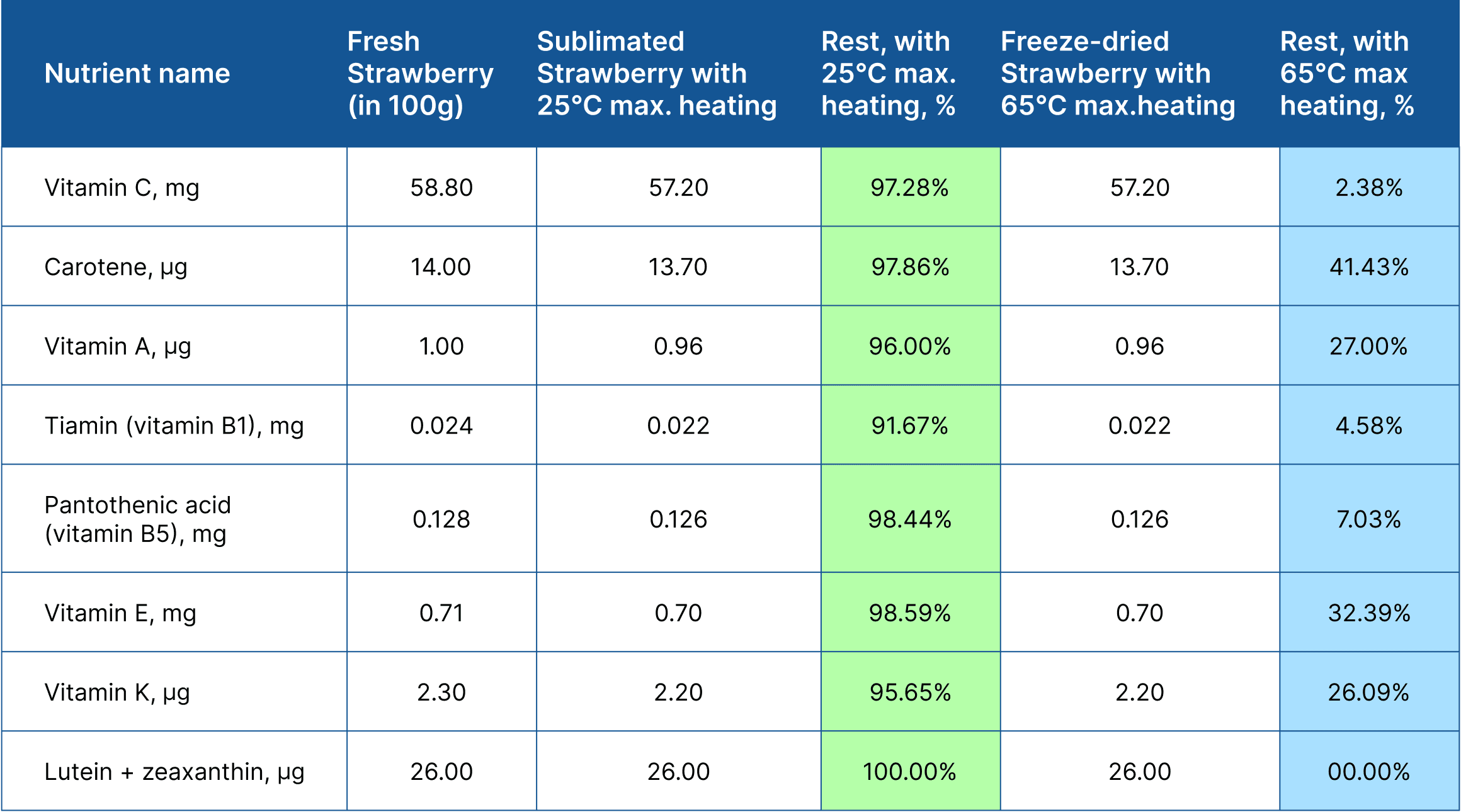
valuable nutrients and vitamin remaining in sublimated product, % of the original content
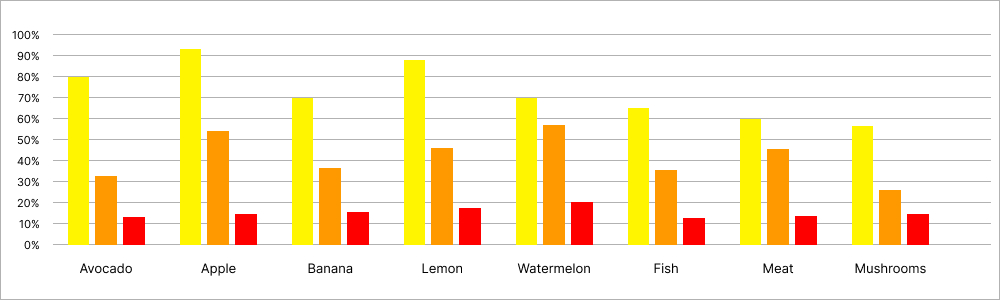
- 25°C
- 45°C
- 60°C and higher
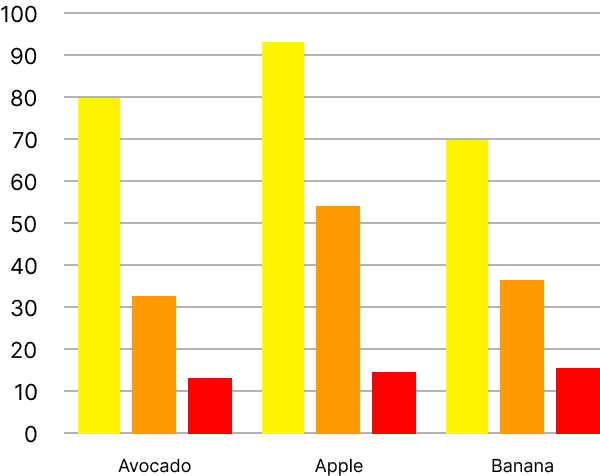
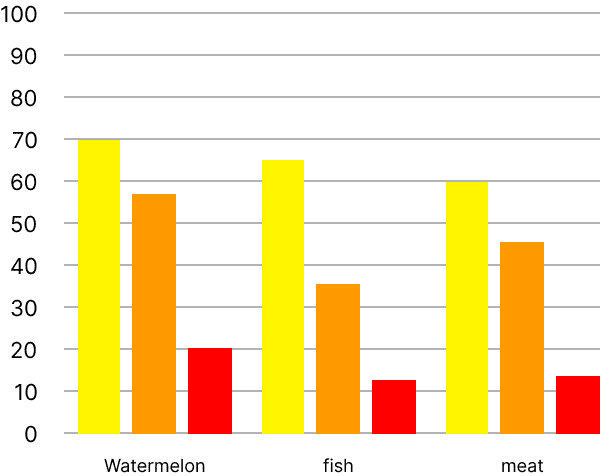
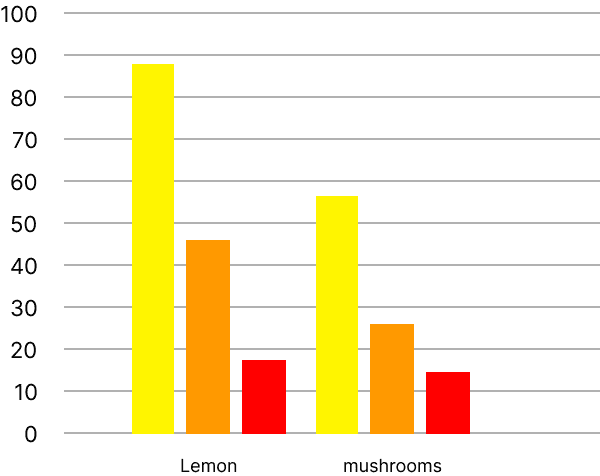
The process in which the product is heated above 60 degrees is much faster than sublimation at low temperatures.
But increasing the temperature of the process leads to the destruction of valuable biological substances.
To prevent the reversal deposition of ice from the water vapor to the sublimated product, the already dry sublimated product must be heated. It is very important for the quality of the product to maintain a thermal balance. Heating the product to higher temperatures saves the time and energy cost of the process, however this also results in destruction of nutrients that were contained in the unprocessed product
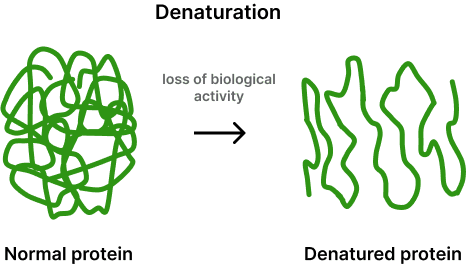
For example, proteins will be denatured and will lose their biological activity
For comparison of the sublimation process time dependence on the temperature influence to the nutrient content of obtained product, please see the table: